
Introduction to Pyntekvister
Pyntekvister is a Scandinavian term that translates loosely to “decorative branches” or ornamented twigs. While the literal meaning may seem simple, the concept carries deep cultural, historical, and aesthetic significance. Rooted in Nordic traditions, pyntekvister represents a harmonious relationship between nature and interior living spaces.
In Scandinavian countries, especially Norway, Sweden, and Denmark, nature has always played a central role in daily life. Long winters and dramatic seasonal changes influenced how people decorated their homes. Instead of relying on artificial ornaments, families used natural materials—branches, twigs, leaves, and flowers—to create meaningful and beautiful indoor displays.
Today, pyntekvister has moved beyond traditional rituals. It has become a global interior design trend associated with minimalism, sustainability, and Scandinavian simplicity. Whether used in seasonal décor, modern apartments, rustic weddings, or DIY crafts, pyntekvister continues to symbolize renewal, balance, and natural elegance.
The Historical Origins of Pyntekvister
The tradition of pyntekvister dates back centuries in Nordic culture. In rural Scandinavian communities, decorative branches were part of seasonal celebrations, especially during late winter and early spring.
Seasonal Symbolism
In regions where winters are long and harsh, the arrival of spring is deeply meaningful. Families would collect budding branches and place them in vases indoors. These branches symbolized:
- Renewal
- Growth
- Hope
- The return of sunlight
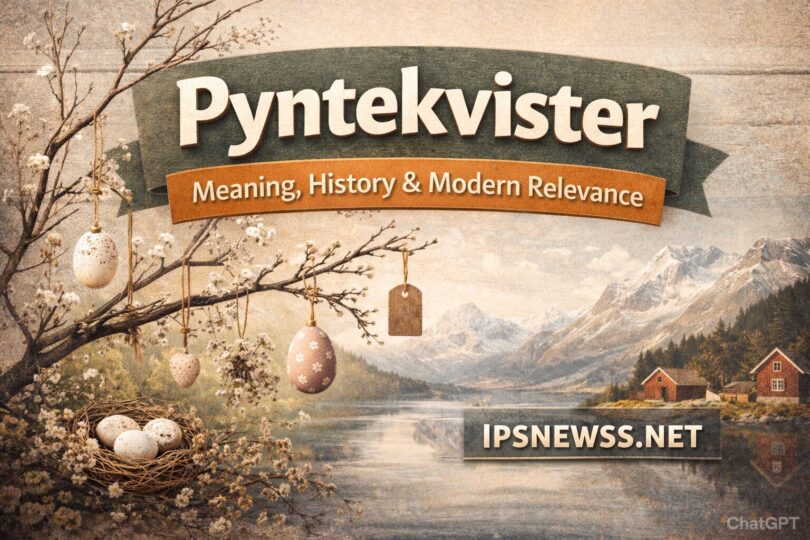
Decorating these twigs with small ornaments, feathers, or painted eggs became a cherished tradition, particularly around Easter. This practice represented the transition from darkness to light.
Practical Beginnings
Before mass-produced decorations became widely available, people relied on what nature provided. Branches were accessible, versatile, and free. Over time, what started as practical necessity evolved into a cultural art form. Decorative techniques improved, and each region developed its own style.
Pyntekvister became more than decoration—it became an expression of identity and craftsmanship.
Cultural Importance in Scandinavian Traditions
Pyntekvister is deeply connected to Scandinavian design philosophy. In countries like Norway and Sweden, homes are traditionally decorated with restraint and intention. The idea is not to overwhelm a space but to enhance it subtly.
“Less Is More” Philosophy
Scandinavian design embraces minimalism. A few well-arranged branches in a simple vase can transform a room. Rather than cluttering spaces, pyntekvister adds:
- Vertical dimension
- Texture
- Natural contrast
- Calm visual balance
This understated aesthetic aligns perfectly with the broader Nordic lifestyle concept of comfort and harmony.
Sustainability as a Core Value
Historically, pyntekvister reflected sustainable living. Natural branches decompose easily and leave no long-term environmental impact. Even today, many people prefer real twigs over plastic decorations. This tradition supports modern eco-conscious values.
In a time when sustainability matters more than ever, pyntekvister feels surprisingly modern.
Pyntekvister in Modern Interior Design
With the global popularity of Scandinavian interior design, pyntekvister has gained international attention. Designers across Europe, North America, and beyond now incorporate decorative branches into contemporary homes.
Minimalist Homes
In minimalist apartments, a tall glass vase filled with bare branches can serve as a statement piece. The natural curves soften rigid architectural lines and add organic warmth.
Rustic and Farmhouse Interiors
For rustic spaces, pyntekvister enhances authenticity. Paired with wooden furniture and neutral tones, decorative branches add depth without clutter.
Contemporary Styling
Modern designers experiment by:
- Spray-painting branches white, black, or metallic gold
- Wrapping them in subtle LED fairy lights
- Combining them with dried flowers
This flexibility makes pyntekvister adaptable to many aesthetics.
The DIY Revival of Pyntekvister
The rise of DIY culture has revived interest in decorative branches. Social media platforms have inspired people to create handmade décor using natural materials.
Why DIY Pyntekvister Is Popular
- Affordable
- Easy to create
- Customizable
- Eco-friendly
To create your own pyntekvister, you simply:
- Collect clean, dry branches
- Trim and shape them
- Place them in a sturdy vase
- Add ornaments or lights (optional)
The process is creative and therapeutic. It reconnects individuals with nature and craftsmanship.
Personal Expression
Each pyntekvister arrangement is unique. Some prefer natural, untouched twigs. Others carve patterns or paint subtle designs. This personalization makes it more meaningful than store-bought décor.
Seasonal and Event Applications
Although traditionally linked to spring celebrations, pyntekvister is now used year-round.
Spring and Easter
Branches are decorated with pastel ornaments and budding flowers to symbolize new beginnings.
Autumn Displays
In fall, pyntekvister can be paired with dried leaves, warm-toned ribbons, or small pumpkins.
Winter and Holidays
Some households use large branches as minimalist alternatives to traditional Christmas trees. This approach is space-saving and environmentally friendly.
Weddings and Events
Rustic weddings often feature decorative branches as:
- Table centerpieces
- Ceremony backdrops
- Hanging installations
Their natural elegance enhances romantic settings without overwhelming them.
Environmental Benefits of Pyntekvister
One of the strongest advantages of pyntekvister is its sustainability.
Eco-Friendly Décor
- Uses biodegradable materials
- Reduces plastic waste
- Encourages reuse
- Supports mindful consumption
Instead of buying new decorations every season, you can refresh existing branches with different ornaments. This reduces environmental impact and saves money.
Connection to Nature
Using natural materials encourages awareness of seasonal cycles. It reminds us to observe and appreciate the environment around us.
Symbolism and Emotional Meaning
Beyond aesthetics, pyntekvister carries emotional depth.
Branches represent:
- Growth
- Strength
- Patience
- Renewal
Even bare twigs suggest potential for future blossoms. This symbolism resonates deeply in cultures shaped by dramatic seasonal change.
Families often create pyntekvister together, making it part of shared memories. Over time, it becomes associated with holidays, gatherings, and traditions.
It transforms from simple décor into a meaningful ritual.
The Global Influence of Scandinavian Design
The international fascination with Scandinavian design principles has helped pyntekvister gain worldwide recognition. As minimalist living and sustainable lifestyles become more popular, decorative branches naturally fit into this aesthetic.
Interior magazines and designers often highlight branch arrangements as examples of effortless elegance. Their beauty lies in simplicity.
What began as a regional tradition has become a global design inspiration.
Why Pyntekvister Remains Relevant Today
In a world dominated by mass production and fast-changing trends, pyntekvister offers something timeless.
It encourages:
- Simplicity over excess
- Nature over plastic
- Creativity over consumption
- Tradition over trend-chasing
Its appeal lies in authenticity. A simple branch, thoughtfully arranged, can transform a space in ways that expensive décor cannot.
Final Thoughts
Pyntekvister is far more than decorative twigs. It represents centuries of Scandinavian tradition, sustainable living, and design philosophy. From rural Nordic homes to modern urban apartments, it continues to inspire.
Its strength lies in its versatility. It can be minimalist or decorative, traditional or contemporary, subtle or bold. Yet at its core, pyntekvister always reflects a deep respect for nature and simplicity.
As sustainability and mindful living become global priorities, pyntekvister feels more relevant than ever. It reminds us that beauty does not need to be complicated—sometimes, it begins with a single branch.